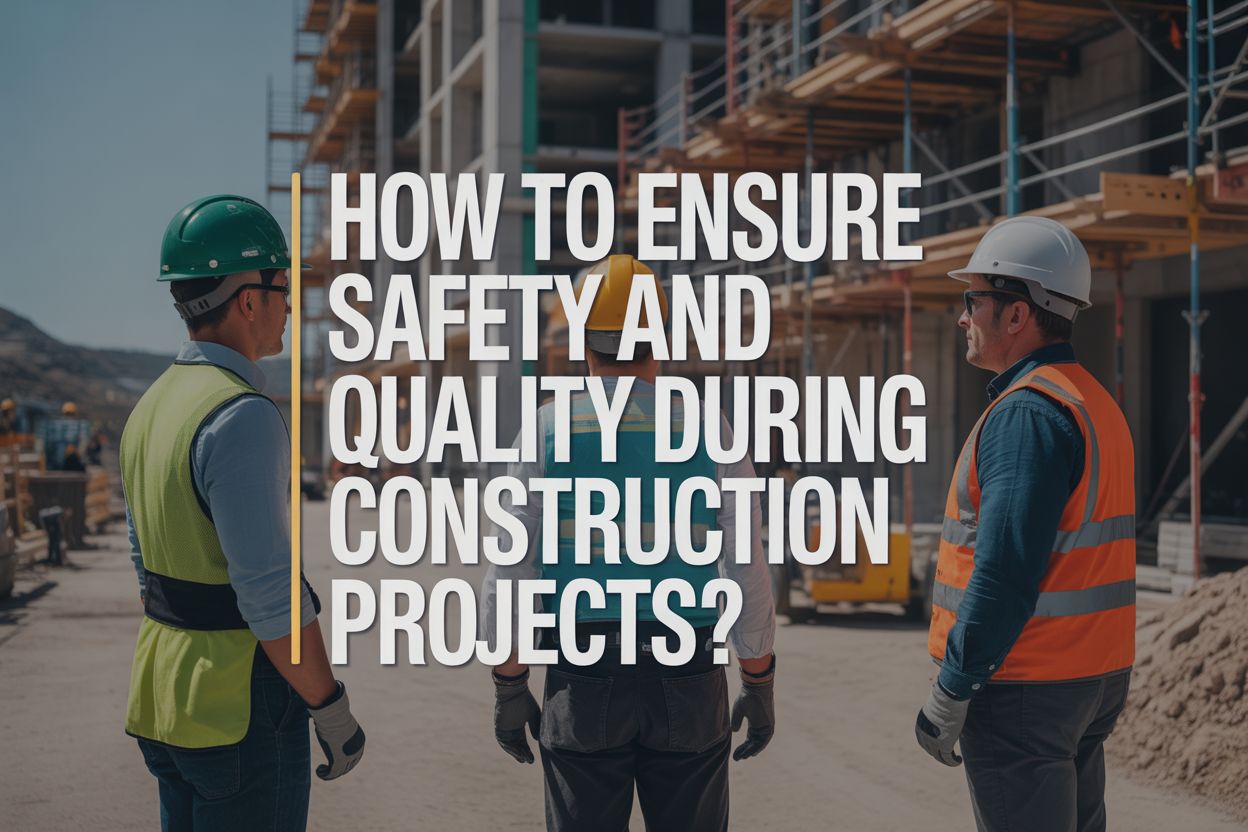
Ensuring safety and quality during construction projects is not only a legal requirement but also a critical factor in delivering successful, durable, and cost-effective buildings. Construction sites are complex environments where risks, delays, and quality issues can arise if proper systems are not in place. By applying structured safety measures and quality control practices, construction companies can protect workers, minimize rework, and deliver projects that meet international standards
Establish a Strong Safety Management Plan
A comprehensive safety management plan is the foundation of any successful construction project. This plan should clearly define safety policies, responsibilities, and emergency procedures
: Key elements include
Site-specific risk assessments-
Clear safety rules and signage-
Emergency response and evacuation plans-
Regular safety inspections-
A proactive safety plan helps identify hazards early and prevents accidents before they happen
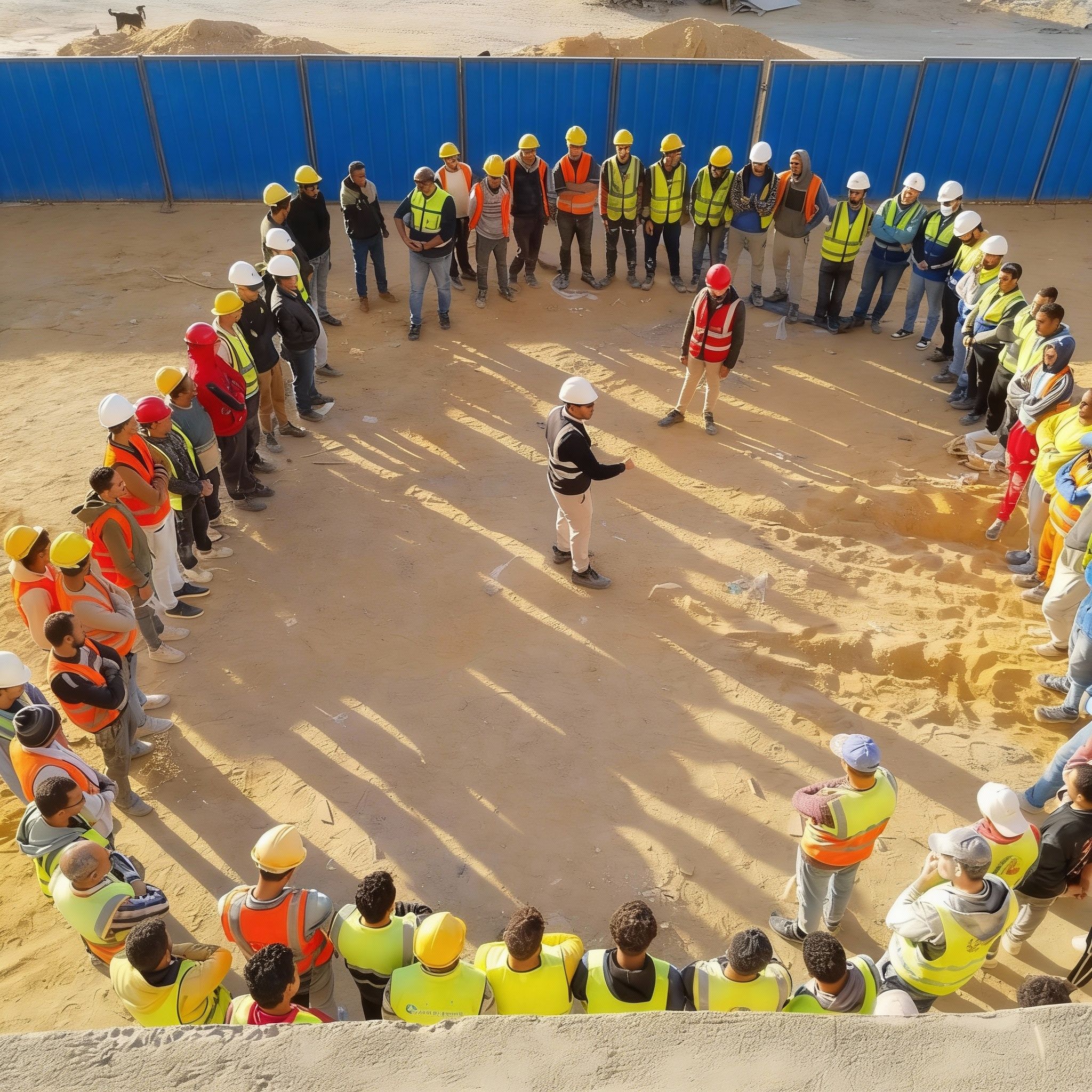
Provide Continuous Training and Awareness
Well-trained workers are essential for maintaining safety and quality on-site. Regular training ensures that all team members understand safety protocols and quality standards
:Effective training programs should cover
Proper use of personal protective equipment (PPE)-
Safe operation of machinery and tools-
Quality workmanship standards-
Updated regulations and site procedures-
Ongoing awareness sessions reinforce a strong safety culture across the project
Use High-Quality Materials and Approved Suppliers
Quality construction starts with quality materials. Using certified materials from trusted suppliers reduces the risk of structural defects and long-term maintenance issues
:Best practices include
Verifying material certifications and test reports-
Inspecting materials upon delivery-
Ensuring proper storage to prevent damage-
Material quality directly impacts the safety, durability, and lifespan of the project
Implement Strict Quality Control Procedures
Quality control should be integrated into every stage of the construction process, not treated as a final step
:Key quality control measures
Inspection checklists for each construction phase-
Regular supervision by qualified engineers-
Documentation of inspections and approvals-
Immediate correction of non-conforming work-
Consistent quality monitoring ensures compliance with design specifications and building codes
Maintain Clear Communication on Site
Clear communication between project managers, engineers, and workers is critical for both safety and quality. Miscommunication can lead to errors, delays, and unsafe practices
:To improve communication
Hold regular site meetings-
Use clear drawings and method statements-
Report hazards and issues immediately-
Transparent communication keeps everyone aligned and accountable
Conduct Regular Audits and Site Inspections
Routine audits and inspections help identify gaps in safety and quality systems. These evaluations ensure that procedures are being followed and continuously improved
:Audits should focus on
Compliance with safety regulations-
Quality of executed works-
Site housekeeping and organization-
Corrective actions should be documented and tracked to completion
:Conclusion
Ensuring safety and quality during construction projects requires a systematic approach that combines planning, training, quality control, and continuous monitoring. By prioritizing worker safety and implementing strong quality management practices, construction companies can reduce risks, enhance efficiency, and deliver reliable projects that meet client expectations and industry standards